
Become a permaculture experience site
From wasteland to
Food Forest
A bare schoolyard, a dreary strip of lawn, a forgotten piece of wasteland. We do not see bleakness in them, we see sleeping paradises. With the power of permaculture and our PLAYtoGROW method we wake this unlived potential. Together we turn these places into living ecosystems.


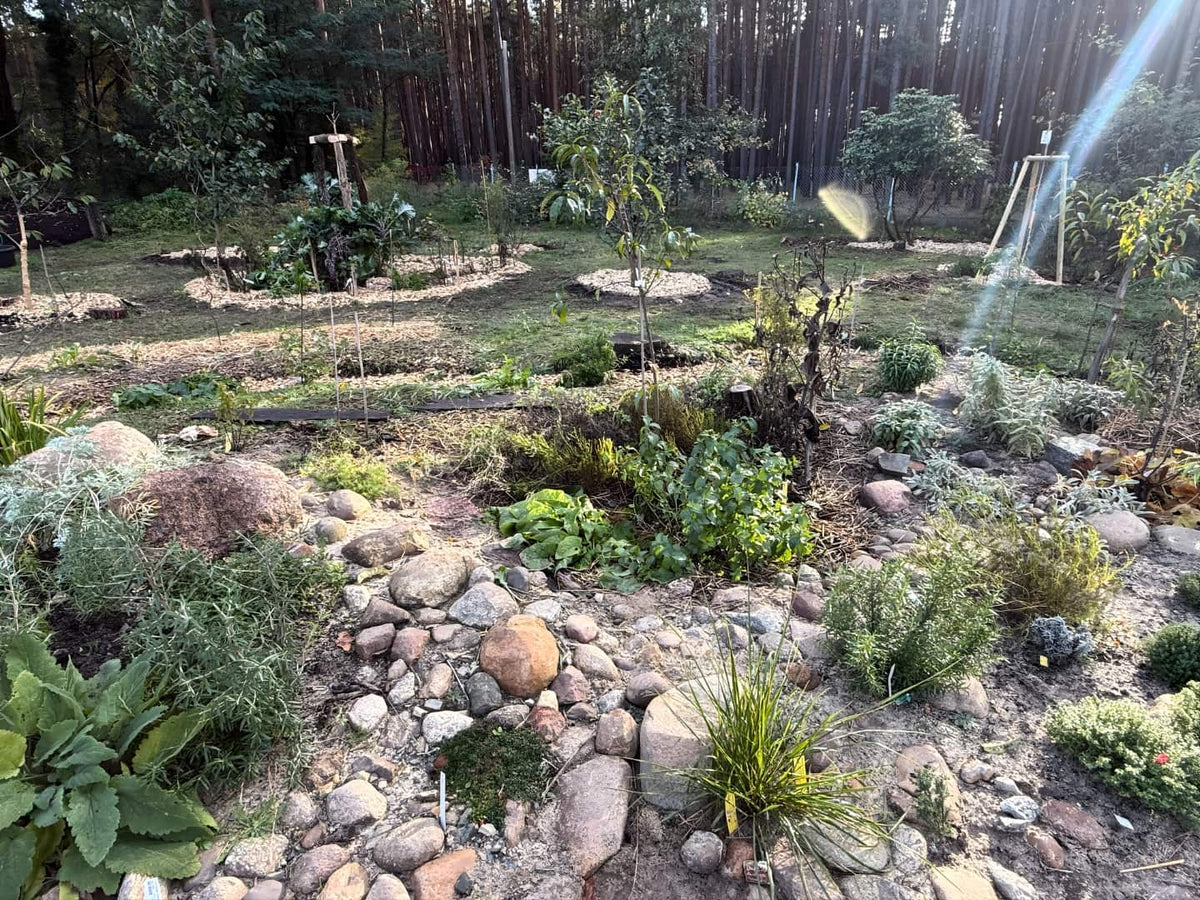
Before and after
The best thing about permaculture
Our approach connects learning directly with real hands-on work. We use our PLAYtoGROW workshop to make permaculture tangible and to anchor knowledge that goes far beyond the day itself. At the same time we use the combined energy of the group in the Permablitz to transform the place in record time.
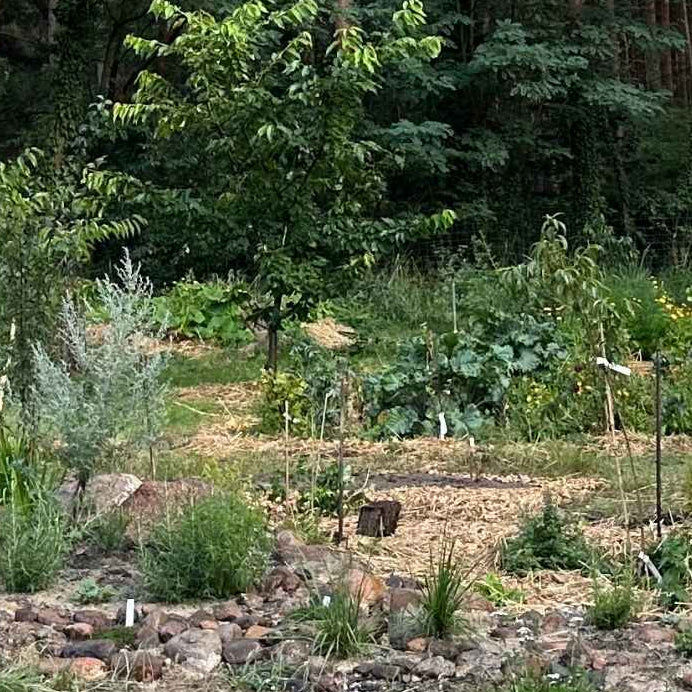
Here you can see the difference before one of our workshops in May 25 and after the third workshop in October 25.
The double gain
A project works in two places at once: with the people and at the site.

For the participants
The mindset shift
You come as shapers. Instead of just following instructions, you get to know the principles of permaculture playfully. You understand how to transfer this logic to your own garden, balcony or context. Looking at a transformed place in the evening is pure self-efficacy.
For the site
The Permablitz effect
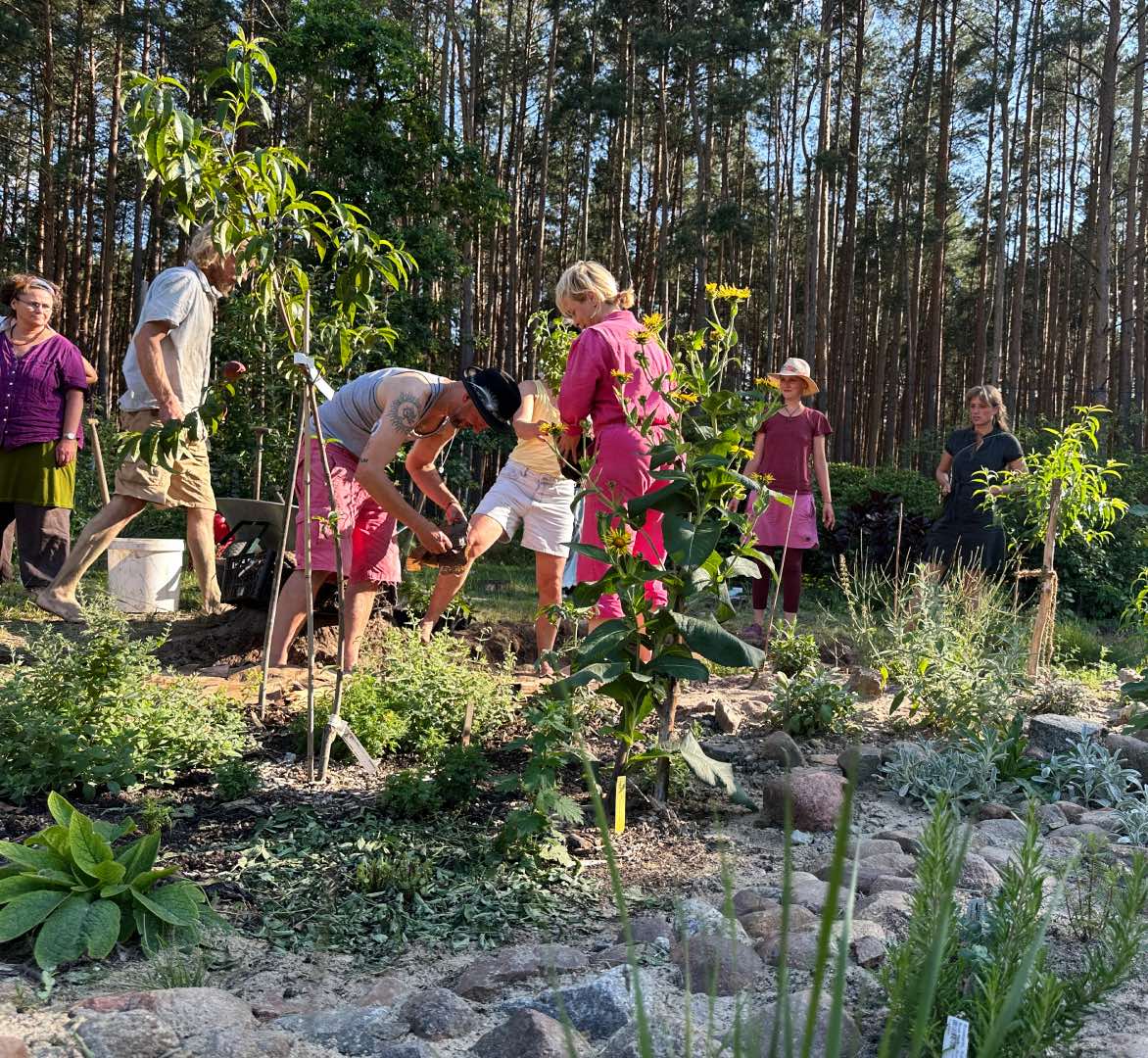
Setting up a natural garden takes a lot of energy at the start. What individuals work through laboriously over weeks, the group manages in one weekend. We break the high initial effort with the combined push of the group and leave behind a system that works straight away.
The format
Learning through experience
A project runs in two phases. First we grasp the logic together, then we put it into practice in a single day.
Phase 1: PLAYtoGROW
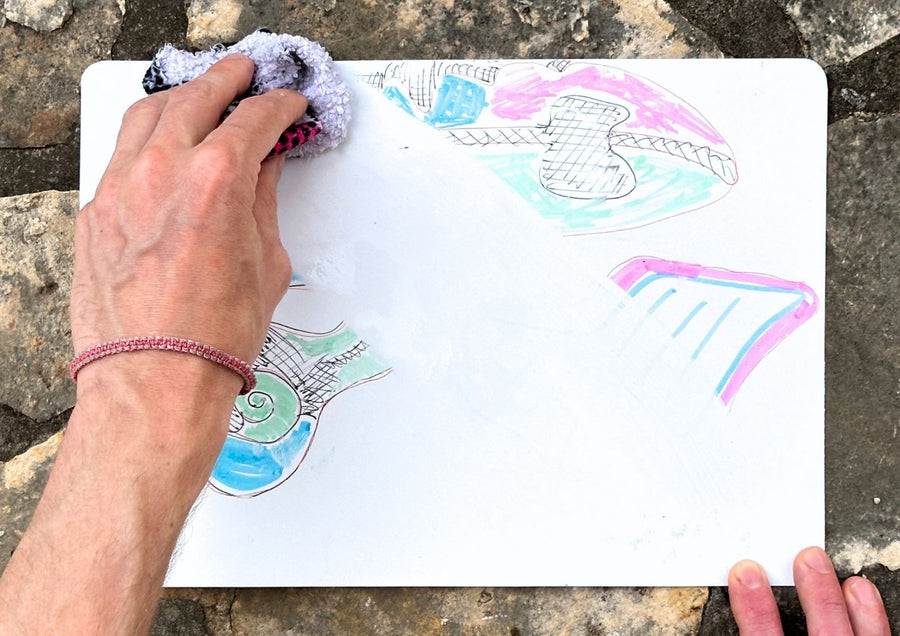
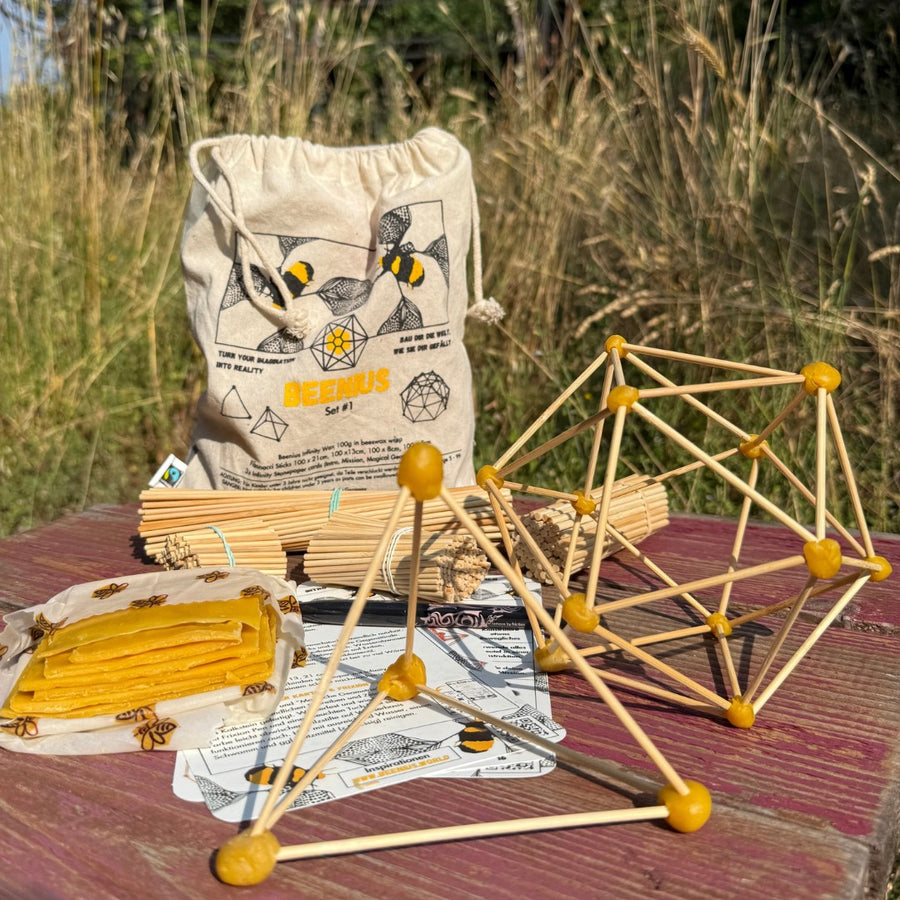
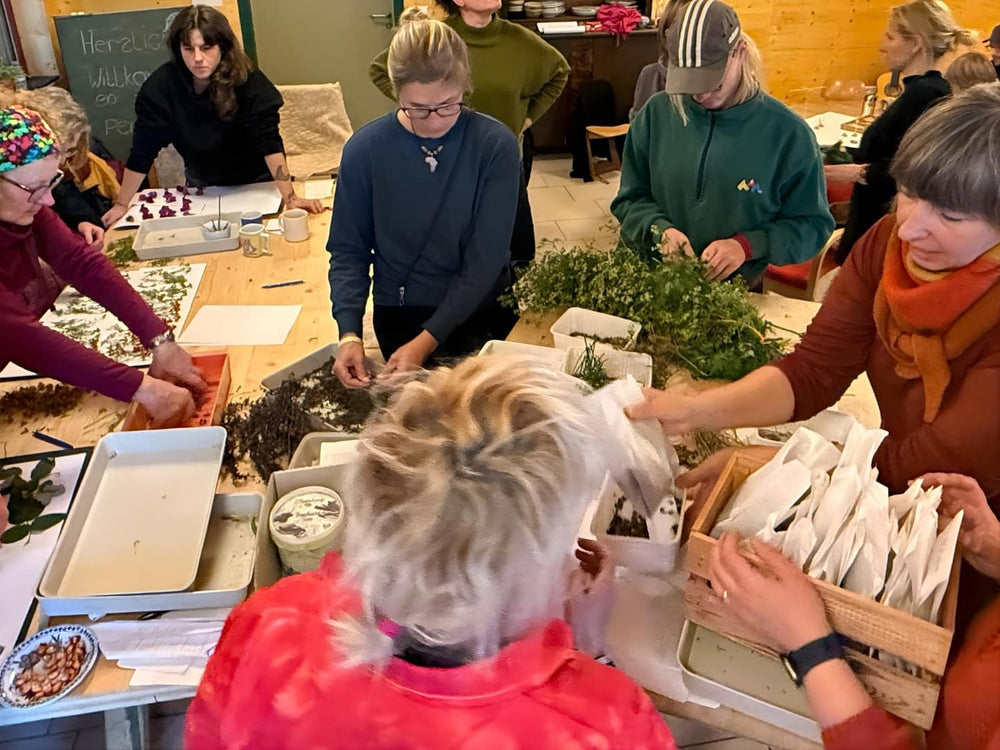
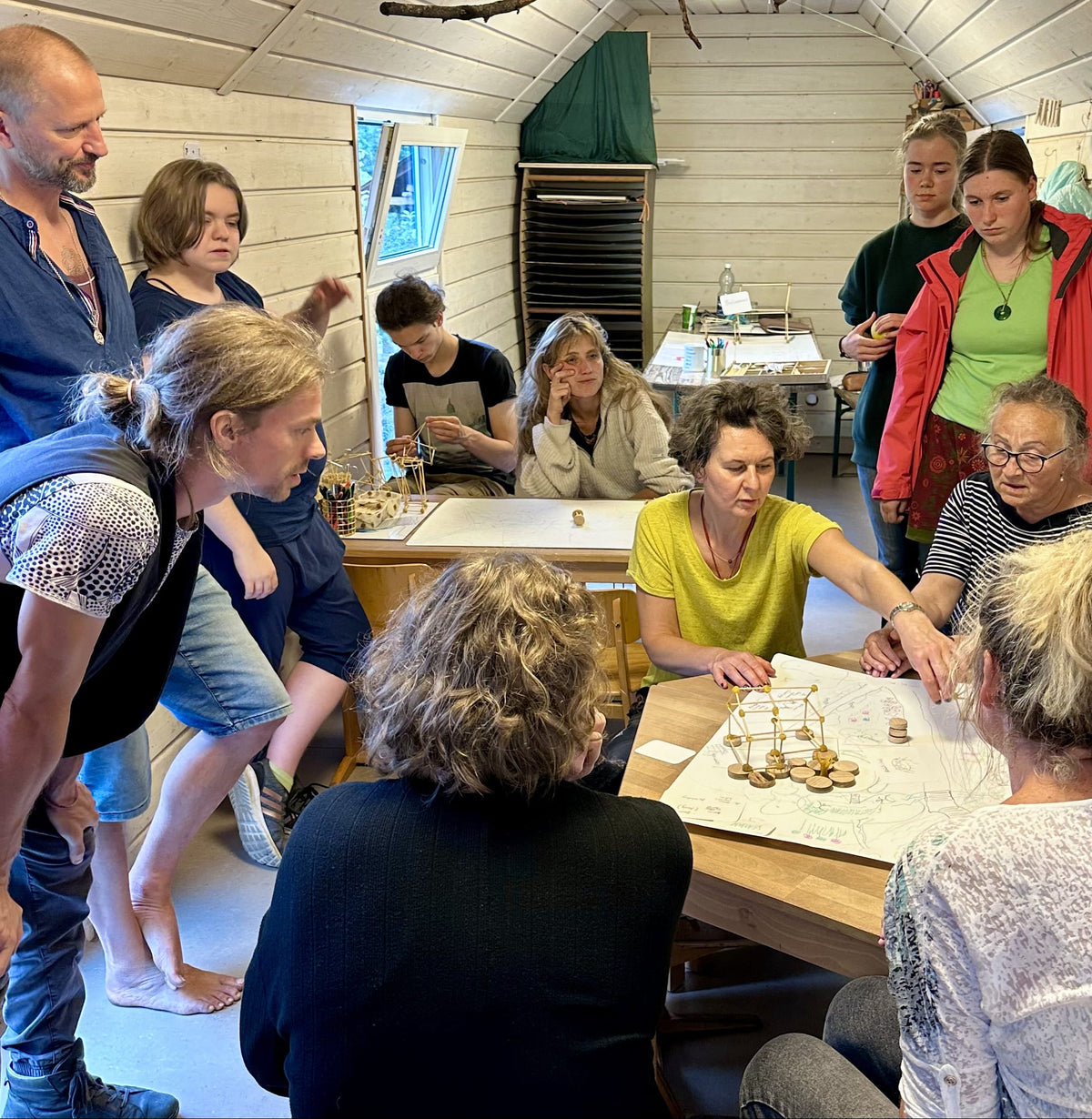
Here we understand the how and the why. With the Infinity Tools (StonePaper and Beenius) permaculture becomes tangible. We sketch, wipe mistakes away and build models, so you take in zones, sectors and cycles quite intuitively.
Phase 2: Permablitz
Then it is out to the spades. We shape the terrain, plant the first layer of the forest garden and experience directly what many hands can achieve.
Afterwards: the system does the work
We install a productive operating system and design following nature's example. Once the system is established, it largely regulates itself and the maintenance effort drops massively.
In the video
How it works

What grows in the end
We install systems
that work for you
More than just greenery: we consistently go for useful plants and put in fruit trees, nuts and herbs.
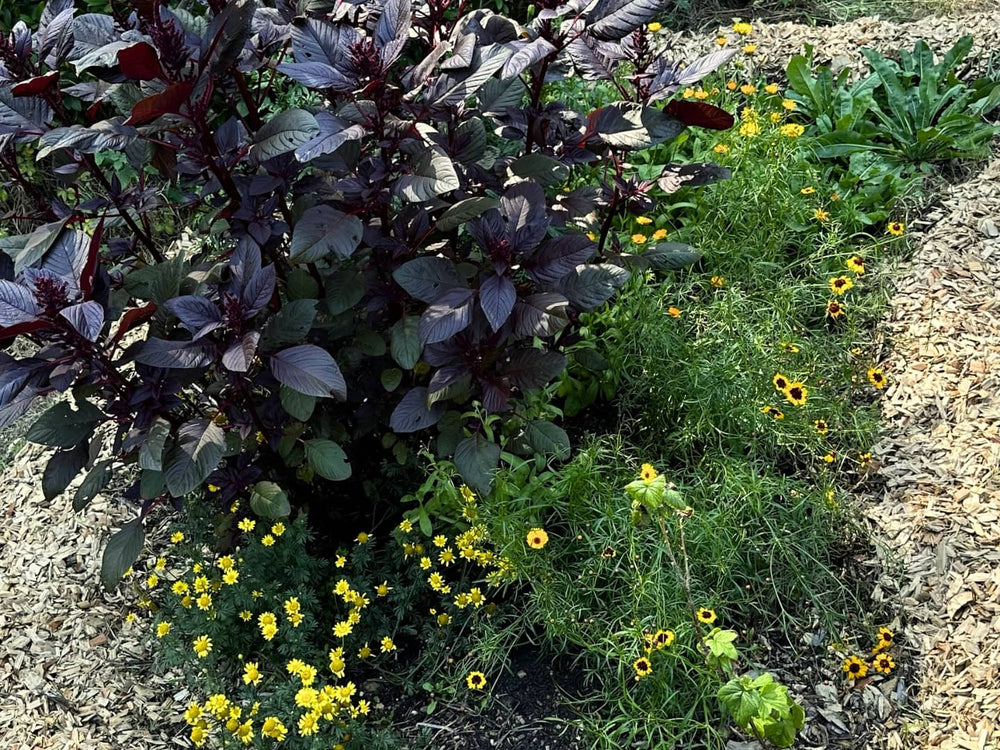
Food for you and the community.
Habitat for insects and birds.
A place that is wild, alive and beautiful.
Who is this ideal for?
For the education sector
Schools, nurseries and universities
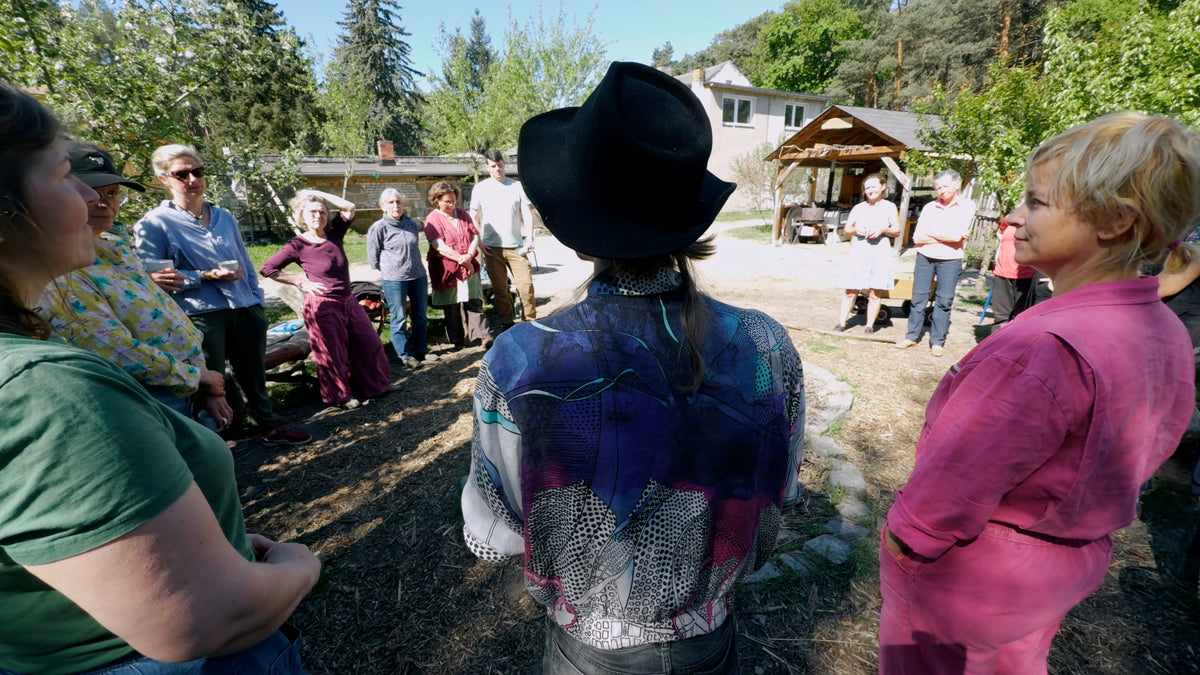
We turn unused surfaces into valuable learning landscapes. The result is living outdoor classrooms in which children and young people explore food security and cycles with all their senses.
For organisations, associations and companies
Team growing instead of team building
Create a visible sign of your commitment. Your team grows together through a meaningful task. Meanwhile your grounds become a flowering, ecological showpiece.
Our path together
In 5 steps to transformation
1. Free conversation
In 30 minutes we get to know each other. You tell us about your vision, we clear up the first questions.
2. Site visit and potential analysis
We visit your site, in person or digitally, and develop the first options for putting it into practice together.
3. Concept and funding
We adjust the scope based on goals, budget and site. Here we also actively help with the case for funding routes.
4. Off we go
We get to work together.
5. Handover and outlook
We hand the project over into your hands. You get a maintenance plan and the knowledge so that the place keeps growing and thriving over the long term.
Financing and funding
Do not let the budget be the hurdle
Turning wasteland into places for education and climate protection is much in demand. Many of our projects can be financed through public funds or foundations.
We cannot submit the application for you, but we supply the substance of the case: we help with researching suitable funding pots, provide text modules on the ecological and educational benefits and support you with the draft application.
Talk to us about it.
Good to know
Frequently asked questions
What exactly happens on a day like this?First grasp it, then get stuck in.
In the PLAYtoGROW workshop we often design example gardens or simulate situations from your own life. We sketch on StonePaper, wipe mistakes away and build models. After that comes the Permablitz, in which we work on the site together.
Who guides us through it?Agnes Friedrich, Denny Ehrlich and UZ Dinkelmann.
Agnes Friedrich and Denny Ehrlich guide you as facilitators. They give short, crisp inputs and support you in finding the solutions yourselves. The Permablitz is led by UZ Dinkelmann, our forest garden being, with years of expertise in design and implementation. He shares his knowledge right there on the ground.
How do we start?With an enquiry using the form below.
Write us a short note about which place it is. After that we get to know each other in a free conversation and look together at which scope fits your goals, budget and site.